New era for math? AI helps prove the 167-year-old Riemann hypothesis
وەرچەرخانێکی مێژوویی لە زانستی بیرکاریدا؟ ژیریی دەستکرد هاوکار دەبێت بۆ سەلماندنی گریمانەی ڕیمان دوای 167 ساڵ
وەرچەرخانێکی مێژوویی لە زانستی بیرکاریدا؟ ژیریی دەستکرد هاوکار دەبێت بۆ سەلماندنی گریمانەی ڕیمان دوای 167 ساڵ
Mohammed Hazhar
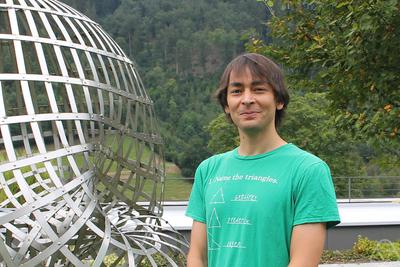
A bombshell claim had the math world buzzing this weekend. Levent Alpöge, a mathematician at artificial intelligence company Anthropic, announced that he had worked with the company's AI model Claude to produce a proof of the 167-year-old Riemann hypothesis. "This is a great contribution. You could say it has shaken the world and marked the beginning of a new era in mathematics," Fields Medalist Shing-Tung Yau, dean of Tsinghua University's Qiuzhen College, said on Saturday evening. Proposed in 1859 by German mathematician Bernhard Riemann, the hypothesis concerns the distribution of prime numbers. Primes, such as 2, 3, 5 and 7, are natural numbers greater than 1 that are divisible only by 1 and themselves. The hypothesis points to an underlying mathematical pattern in their seemingly random distribution along the number line. It is one of the seven Millennium Prize Problems, each carrying a $1 million prize for a correct solution. A proof would have far-reaching implications across mathematics and could also have implications in fields such as cryptography and physics. Alpöge made the announcement on Friday, releasing more than 17 million lines of code written in Lean, a programming language in which a computer checks every step of a proof. He said Claude had also generated a written draft running to more than 250,000 pages, which he held back because it was too unwieldy to read. Alpöge said he did not yet fully understand all the mathematics in the argument. A day later, the Lean and Mathlib communities said in a joint statement that Alpöge's Riemann hypothesis proof had passed community verification. The work has sparked debate among mathematicians worldwide over what an AI-assisted proof would mean for the field and how it might change the way research is done. "The page count doesn't matter. What matters is readability and no one can read 250,000 pages," Fields Medalist Deng Yu, a professor of mathematics at the University of Chicago, said on Saturday. He said a more readable version might emerge soon and that he would reserve judgment until then. "AI will become an indispensable part of our research," Yau said. "As for human ingenuity, I think machines still have a long way to go." He said AI was far better at solving problems than at posing them. In his view, asking questions takes more creativity and the key is knowing which questions matter. "If you know a theorem is true, you can use it. If you understand why it's true, you can try applying the same method to problems we still haven't solved," said Artan Sheshmani, a researcher at the Beijing Institute of Mathematical Sciences and Applications. He said he wanted to understand what mathematical principle made the Riemann hypothesis true, assuming the proof holds up, and where else that principle might apply. Alpöge's account also offered a glimpse of Claude's role in shaping the argument. He said a simpler mathematical problem had led him to explore a new approach. Later, Claude suggested how many times to repeat a key mathematical operation. Sheshmani saw that as a creative contribution. AI can surprise experts with an idea and explore where it leads, he said, while Lean checks the logic. Mathematicians still have to decide what is worth studying, interpret the findings and take responsibility for the conclusions they make public. Anthropic began trading on Nasdaq on Thursday, a day before Alpöge's announcement. The timing prompted speculation about whether the release was intended to generate publicity. Alpöge himself described the timing as "terrible."
بانگەشەیەکی شۆکهێنەر ئەم کۆتایی هەفتەیە جیهانی ماتماتیکی هەژاند. لێڤێنت ئاڵپۆگێ (Levent Alpöge)، زانای ماتماتیک لە کۆمپانیای ژیریی دەستکردی ئەنسرۆپیک (Anthropic)، ڕایگەیاند کە لەگەڵ مۆدێلی ژیریی دەستکردی کۆمپانیاکە «کلۆد» (Claude) کاری کردووە بۆ بەرهەمهێنانی سەلماندنێک بۆ گریمانەی ڕیمانی 167 ساڵە. شینگ-تونگ یاو (Shing-Tung Yau)، براوەی مەدالیای فیڵدز و ڕاگری کۆلێژی چیوژن لە زانکۆی تسینگهوا، ئێوارەی ڕۆژی شەممە گوتی: «ئەمە بەشدارییەکی مەزنە. دەتوانیت بڵێیت جیهانی هەژاندووە و سەرەتای سەردەمێکی نوێی لە ماتماتیکدا دیاری کردووە.» گریمانەکە کە لە ساڵی 1859 لەلایەن زانای ماتماتیکی ئەڵمانی بێرنارد ڕیمان (Bernhard Riemann) پێشنیاز کرا، پەیوەندی بە دابەشبوونی ژمارە خۆبەشەکانەوە (Prime numbers) هەیە. ژمارە خۆبەشەکان، وەک 2، 3، 5 و 7، ژمارەی سروشتیی گەورەترن لە 1 کە تەنها بەسەر 1 و خۆیاندا دابەش دەبن. گریمانەکە ئاماژە بە نەخشێکی ماتماتیکیی بنەڕەتی دەکات لە دابەشبوونە ڕووکەش هەڕەمەکییەکەیاندا بە درێژایی هێڵی ژمارەکان. ئەمە یەکێکە لە حەوت کێشەکەی خەڵاتی هەزارە (Millennium Prize Problems)، کە هەر یەکێکیان خەڵاتێکی 1 ملیۆن دۆلاریی بۆ چارەسەرێکی ڕاست تەرخان کراوە. سەلماندنێک لێکەوتەی دوورمەودای دەبێت لە سەرانسەری ماتماتیکدا و هەروەها دەکرێت کاریگەریی هەبێت لە بوارەکانی وەک کریپتۆگرافی (نهێنیسازیی داتا) و فیزیادا. ئاڵپۆگێ ڕۆژی هەینی ڕاگەیاندنەکەی بڵاوکردەوە و زیاتر لە 17 ملیۆن هێڵە کۆدی بڵاوکردەوە کە بە زمانی «لین» (Lean) نووسراون؛ زمانێکی بەرنامەسازییە کە تێیدا کۆمپیوتەر هەموو هەنگاوێکی سەلماندنەکە دەپشکنێت. ئەو گوتی کلۆد ڕەشنووسێکی نووسراویشی دروست کردووە کە زیاتر لە 250،000 لاپەڕەیە، بەڵام ڕایگرتووە چونکە زۆر قورس و نەگونجاو بووە بۆ خوێندنەوە. ئاڵپۆگێ گوتی هێشتا بە تەواوی لە هەموو لایەنە ماتماتیکییەکانی ناو بەڵگەنامەکە تێنەگەیشتووە. ڕۆژێک دواتر، کۆمەڵگەکانی «لین» و «ماسلیب» (Mathlib) لە بەیاننامەیەکی هاوبەشدا ڕایانگەیاند کە سەلماندنەکەی ئاڵپۆگێ بۆ گریمانەی ڕیمان، پشکنین و پشتڕاستکردنەوەی کۆمەڵگەکەیانی تێپەڕاندووە. ئەم کارە مشتومڕی لە نێوان زانایانی ماتماتیک لە سەرانسەری جیهاندا دروست کردووە سەبارەت بەوەی سەلماندنێک بە هاوکاریی AI چ مانایەکی دەبێت بۆ ئەم بوارە و چۆن دەکرێت شێوازی ئەنجامدانی توێژینەوە بگۆڕێت. دێنگ یو (Deng Yu)، براوەی مەدالیای فیڵدز و پرۆفیسۆری ماتماتیک لە زانکۆی شیکاگۆ، ڕۆژی شەممە گوتی: «ژمارەی لاپەڕەکان گرنگ نییە. ئەوەی گرنگە توانای خوێندنەوەیە و کەس ناتوانێت 250،000 لاپەڕە بخوێنێتەوە.» ئەو گوتی ڕەنگە بەم زووانە وەشانێکی شیاوتر بۆ خوێندنەوە دەربکەوێت و تا ئەو کاتە بڕیاردانی خۆی دوادەخات. یاو گوتی: «AI دەبێتە بەشێکی دانەبڕاو لە توێژینەوەکانمان. سەبارەت بە بلیمەتیی مرۆڤیش، پێم وایە ئامێرەکان هێشتا ڕێگایەکی دووریان لەپێشە.» ئەو گوتی AI لە چارەسەرکردنی کێشەکاندا زۆر باشترە وەک لە خستنەڕووی کێشەکان. بە بۆچوونی ئەو، پرسیارکردن داهێنانی زیاتری دەوێت و کلیلی سەرەکی ئەوەیە بزانیت کام پرسیارانە گرنگن. ئارتان شێشمانی (Artan Sheshmani)، توێژەر لە پەیمانگای پەکین بۆ زانستە ماتماتیکییەکان و کارپێکردنەکان، گوتی: «ئەگەر بزانیت تیۆرێک ڕاستە، دەتوانیت بەکاری بهێنیت. ئەگەر تێبگەیت بۆچی ڕاستە، دەتوانیت هەوڵ بدەیت هەمان شێواز بەسەر ئەو کێشانەدا جێبەجێ بکەیت کە هێشتا چارەسەرمان نەکردوون.» ئەو گوتی دەیەوێت بزانێت چ بنەمایەکی ماتماتیکی گریمانەی ڕیمانی ڕاست کردووەتەوە—بەو گریمانەیەی سەلماندنەکە خۆی ڕابگرێت—و ئەو بنەمایە لە کوێی تردا دەتوانرێت بەکاربهێنرێت. گێڕانەوەکەی ئاڵپۆگێ تێڕوانینێکیشی خستە ڕوو سەبارەت بە ڕۆڵی کلۆد لە داڕشتنی بەڵگەهێنانەوەکەدا. ئەو گوتی کێشەیەکی ماتماتیکیی سادەتر بووەتە هۆی ئەوەی ڕێبازێکی نوێ تاقی بکاتەوە. دواتر، کلۆد پێشنیازی کردووە کە چەند جار کردارێکی ماتماتیکیی سەرەکی دووبارە بکرێتەوە. شێشمانی ئەمەی بە بەشدارییەکی داهێنەرانە بینی. ئەو گوتی AI دەتوانێت پسپۆڕان بە بیرۆکەیەک سەرسام بکات و لێکۆڵینەوە بکات کە بەرەو کوێ دەڕوات، لە کاتێکدا «لین» لۆژیکەکەکە دەپشکنێت. زانایانی ماتماتیک هێشتا دەبێت بڕیار بدەن چی شایەنی لێکۆڵینەوەیە، دۆزینەوەکان شی بکەنەوە و بەرپرسیارێتیی ئەو دەرەنجامانە هەڵبگرن کە بۆ ڕای گشتی بڵاوی دەکەنەوە. ئەنسرۆپیک ڕۆژی پێنجشەممە، واتە ڕۆژێک پێش ڕاگەیاندنەکەی ئاڵپۆگێ، دەستی کرد بە مامەڵەکردنی پشکەکانی لە بۆرسەی ناسداک (Nasdaq). ئەم کاتە بووە هۆی دروستبوونی گومان و دەنگۆ سەبارەت بەوەی ئایا بڵاوکردنەوەکە مەبەست لێی ڕاکێشانی سەرنج و پروپاگەندەی بازرگانی بووە یان نا. ئاڵپۆگێ خۆیشی کاتەکەی بە «زۆر خراپ» وەسف کرد.
← Olderکۆنتر
China launches AI platform for Earth system research
چین پلاتفۆرمێکی ژیریی دەستکرد بۆ لێکۆڵینەوە و توێژینەوە لە زانستەکانی زەوی کارا دەکات
Newerنوێتر →
China launches plan to draft mandatory safety standard for AI agents
چین پلانێک بۆ داڕشتنی ستانداردێکی سەلامەتیی ناچارکەر بۆ بریکارەکانی ژیریی دەستکرد ڕادەگەیەنێت